
Laifen Neo, Neo Special und Air im Vergleich: Welcher Haartrockner passt zu Ihnen?
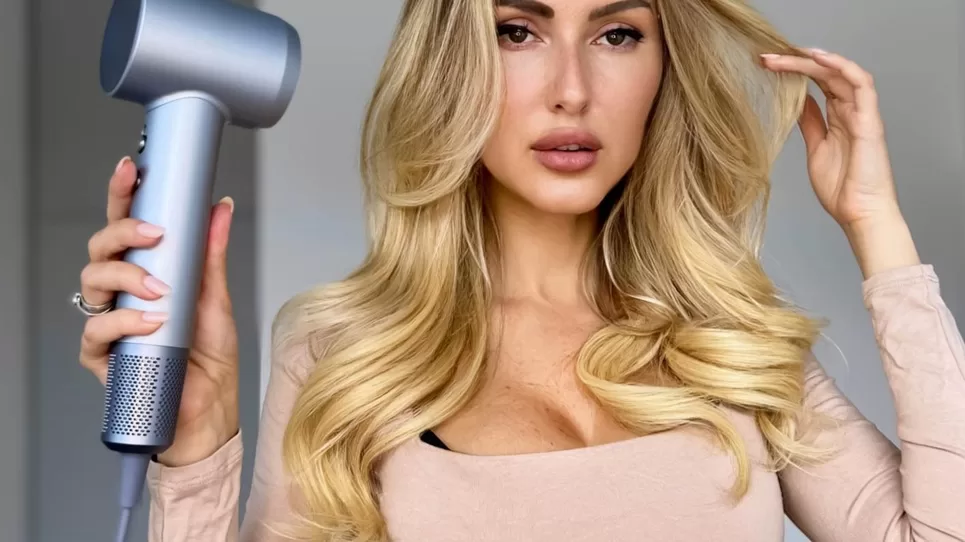
Die Wahl des richtigen Haartrockners hängt von mehr ab als nur von der Trocknungsleistung. Gewicht, Temperaturkontrolle, Luftstrom, Stylingaufsätze und Handhabung spielen ebenfalls eine wichtige Rolle. Laifen bietet verschiedene Haartrockner an, die sich an unterschiedliche Bedürfnisse richten. Besonders die Modelle Neo, Neo Special und Air sind interessant für Menschen, die moderne Haartrocknertechnologie mit einer komfortablen Anwendung verbinden möchten Laifen Föhn.
Doch welches Modell passt am besten zu Ihrem Alltag? Ist ein besonders leichter Föhn die richtige Wahl, oder profitieren Sie stärker von zusätzlichen Funktionen und Stylingmöglichkeiten? In diesem Ratgeber vergleichen wir die wichtigsten Eigenschaften der drei Modelle und erklären, worauf Sie bei Ihrer Entscheidung achten sollten.
Was unterscheidet die Laifen Haartrockner voneinander?
Die Haartrockner von Laifen setzen auf moderne Motortechnik und einen leistungsfähigen Luftstrom. Je nach Modell unterscheiden sich jedoch die Konstruktion, die Ausstattung und die angebotenen Komfortfunktionen.
Der Laifen Air richtet sich vor allem an Nutzer, die ein leichtes und kompaktes Gerät bevorzugen. Der Neo bietet eine Kombination aus Hochgeschwindigkeitstechnologie und vielseitigen Stylingmöglichkeiten. Der Neo Special ist besonders interessant für Menschen, die zusätzlich auf Komfortmerkmale wie Ionen-Technologie und eine reduzierte Geräuschentwicklung achten.
Welche Unterschiede für Sie entscheidend sind, hängt von Ihrer Haarstruktur, Ihren Stylinggewohnheiten und Ihrem Budget ab.
Laifen Air: Für alle, die einen leichten Haartrockner suchen
Gewicht und Handhabung im Alltag
Ein geringes Gewicht kann die tägliche Haarpflege deutlich angenehmer machen. Wenn Sie Ihre Haare jeden Morgen föhnen oder beim Styling eine Rundbürste verwenden, müssen Sie den Haartrockner häufig über längere Zeit halten.
Der Laifen Air ist auf eine kompakte und leichte Bauweise ausgelegt. Das macht ihn besonders interessant für Menschen, die bei der Auswahl eines Föhns auf Handlichkeit achten. Auch in kleineren Badezimmern kann ein kompaktes Gerät von Vorteil sein, weil es weniger Platz bei der Aufbewahrung benötigt.
Für welche Haartypen eignet sich der Air?
Der Laifen Air kann eine passende Option für Menschen sein, die eine unkomplizierte Trocknung im Alltag bevorzugen. Bei kurzem bis mittellangem Haar kann ein leichtes Gerät besonders praktisch sein, da das Föhnen häufig weniger Zeit beansprucht.
Auch für Reisen kann eine kompakte Bauweise hilfreich sein. Vor dem Kauf sollten Sie jedoch prüfen, ob die Abmessungen, die Stromversorgung und der Lieferumfang zu Ihren Anforderungen passen.
Wenn Sie regelmäßig aufwendige Frisuren gestalten oder spezielle Aufsätze benötigen, sollten Sie die Ausstattung genau mit der anderer Modelle vergleichen.
Laifen Neo: Vielseitigkeit für das tägliche Styling
Hochgeschwindigkeitstechnologie und Luftstrom
Der Laifen Neo richtet sich an Nutzer, die einen leistungsfähigen Haartrockner für das tägliche Trocknen und Stylen suchen. Die Hochgeschwindigkeitstechnologie soll einen kräftigen Luftstrom ermöglichen, der Feuchtigkeit effizient aus dem Haar entfernt.
Ein effizienter Luftstrom kann insbesondere bei dickem oder langem Haar hilfreich sein. Die tatsächliche Trocknungszeit hängt jedoch auch von der Haarstruktur, der Ausgangsfeuchtigkeit und der Temperatureinstellung ab.
Eine hohe Motordrehzahl allein garantiert deshalb nicht automatisch das beste Ergebnis. Auch die Luftführung und die Möglichkeit, die Wärme passend zu regulieren, sind wichtige Faktoren.
Stylingaufsätze für unterschiedliche Frisuren
Ein wesentlicher Aspekt bei der Wahl eines Haartrockners ist das verfügbare Zubehör. Eine schmale Stylingdüse kann den Luftstrom gezielt auf einzelne Haarpartien richten. Das ist besonders praktisch, wenn Sie Ihr Haar mit einer Rundbürste glätten oder mehr Kontrolle beim Styling wünschen.
Ein Diffusor ist dagegen für Menschen interessant, die ihre natürlichen Locken oder Wellen unterstützen möchten. Er verteilt den Luftstrom über eine größere Fläche und kann helfen, die Haare kontrollierter zu trocknen.
Prüfen Sie vor dem Kauf, welche Aufsätze tatsächlich zum Lieferumfang Ihrer gewünschten Neo-Ausführung gehören.
Für wen lohnt sich der Laifen Neo?
Der Neo ist eine interessante Wahl, wenn Sie Ihren Föhn regelmäßig verwenden und unterschiedliche Stylingmöglichkeiten nutzen möchten. Er kann für verschiedene Haarlängen geeignet sein, sofern die Ausstattung zu Ihren Bedürfnissen passt.
Wenn Sie lediglich Ihre Haare trocknen möchten und wenig Wert auf zusätzliche Funktionen legen, kann ein einfacheres Modell ausreichen. Wer dagegen häufiger zwischen glatten Frisuren, Volumen und natürlichen Wellen wechselt, sollte die Stylingausstattung besonders berücksichtigen.
Laifen Neo Special: Komfortfunktionen im Mittelpunkt
Ionen-Technologie für ein kontrollierteres Styling
Die Ionen-Technologie gehört zu den Funktionen, die bei modernen Haartrocknern häufig hervorgehoben werden. Dabei werden geladene Teilchen erzeugt, die dazu beitragen sollen, statische Aufladung der Haare zu reduzieren.
Das kann besonders bei feinem Haar oder in trockenen Innenräumen hilfreich sein, wenn einzelne Haare nach dem Föhnen abstehen. Ein ruhigeres Haarbild kann das Styling erleichtern und dazu beitragen, dass die Frisur geschmeidiger wirkt.
Allerdings hängt das Ergebnis von mehreren Faktoren ab. Haarstruktur, Pflegeprodukte, Luftfeuchtigkeit und die verwendete Temperatur beeinflussen ebenfalls, wie das Haar nach dem Föhnen aussieht.
Geräuschentwicklung und Anwendungskomfort
Die wahrgenommene Lautstärke ist für viele Menschen ein wichtiges Kaufkriterium. Wenn Sie Ihre Haare früh am Morgen trocknen oder das Badezimmer mit anderen Personen teilen, kann ein angenehmer Geräuschpegel den Komfort verbessern.
Beim Vergleich sollten Sie beachten, dass die tatsächliche Lautstärke nicht allein vom angegebenen Dezibelwert abhängt. Auch die Tonhöhe, der Abstand zum Gerät und die Raumakustik beeinflussen die Wahrnehmung.
Wann ist der Neo Special die richtige Wahl?
Der Neo Special ist besonders interessant, wenn Sie gezielt nach einem Modell mit zusätzlichen Komfortmerkmalen suchen. Die Entscheidung sollte jedoch davon abhängen, ob diese Funktionen für Sie einen praktischen Mehrwert bieten.
Wenn Sie beispielsweise häufig mit statischer Aufladung zu kämpfen haben, kann die Ionen-Technologie ein relevantes Auswahlkriterium sein. Wenn Sie dagegen hauptsächlich auf ein geringes Gewicht achten, sollten Sie auch die Handhabung und die Abmessungen des Laifen Air vergleichen.
Laifen Air, Neo und Neo Special im direkten Vergleich
Die folgende Übersicht zeigt, welche Überlegungen bei der Auswahl der drei Modelle hilfreich sein können. Die tatsächliche Ausstattung sollte vor dem Kauf anhand der aktuellen Produktinformationen geprüft werden.
| Kriterium | Laifen Air | Laifen Neo | Laifen Neo Special |
|---|---|---|---|
| Schwerpunkt | Leichte, kompakte Bauweise | Vielseitiges Trocknen und Stylen | Zusätzliche Komfortfunktionen |
| Handhabung | Besonders interessant für Nutzer, die wenig Gewicht bevorzugen | Für regelmäßiges Styling geeignet | Für Nutzer mit besonderen Komfortansprüchen |
| Stylingmöglichkeiten | Abhängig von der enthaltenen Ausstattung | Verschiedene Stylinganwendungen möglich | Abhängig von der jeweiligen Ausführung |
| Ionen-Technologie | Produktversion prüfen | Produktversion prüfen | Hervorgehobenes Ausstattungsmerkmal |
| Auswahlkriterium | Gewicht und Kompaktheit | Luftstrom und Zubehör | Komfortfunktionen und Ausstattung |
Keines der drei Modelle ist grundsätzlich für alle Menschen die beste Wahl. Die richtige Entscheidung hängt davon ab, welche Eigenschaften Sie im Alltag am häufigsten nutzen.
Welcher Laifen Haartrockner passt zu Ihrem Haartyp?
Feines Haar
Bei feinem Haar sind eine gute Temperaturkontrolle und eine schonende Anwendung besonders wichtig. Wenn Sie gleichzeitig mehr Volumen wünschen, kann eine geeignete Stylingdüse hilfreich sein.
Ein leichtes Gerät ist praktisch, wenn Sie den Ansatz gezielt föhnen möchten. Achten Sie darauf, das Haar nicht unnötig lange mit heißer Luft zu behandeln.
Dickes oder langes Haar
Dickes Haar kann mehr Zeit zum Trocknen benötigen. Ein leistungsfähiger Luftstrom kann die Anwendung erleichtern, während mehrere Temperatur- und Geschwindigkeitsstufen eine bessere Anpassung ermöglichen.
Teilen Sie das Haar in Abschnitte und trocknen Sie diese nacheinander. Dadurch können Sie den Luftstrom gezielt einsetzen und vermeiden, dieselben Partien wiederholt zu bearbeiten.
Für welche Haartypen eignet sich der Air?
0
Bei natürlichen Locken kann ein Diffusor sinnvoll sein. Er verteilt die Luft und unterstützt eine kontrollierte Trocknung, ohne dass der Luftstrom ausschließlich auf einzelne Haarsträhnen konzentriert wird.
Wenn Sie häufig mit Frizz zu kämpfen haben, sollten Sie neben der Ionentechnologie auch auf die passende Pflege und eine geeignete Trocknungstechnik achten.
Für welche Haartypen eignet sich der Air?
1
Wenn Ihr Haar trocken oder geschädigt ist, sollten Sie besonders auf die Temperatur achten. Ein moderner Motor oder eine Ionen-Funktion allein verhindert keine Hitzeschäden.
Verwenden Sie einen geeigneten Hitzeschutz und wählen Sie eine moderate Temperatur. Bei stark strapaziertem Haar kann es außerdem sinnvoll sein, die Häufigkeit des Föhnens zu reduzieren.
Worauf sollten Sie vor dem Kauf achten?
Bevor Sie sich für den Laifen Air, Neo oder Neo Special entscheiden, sollten Sie einige grundlegende Punkte vergleichen.
Gewicht und Ergonomie: Überlegen Sie, wie lange Sie das Gerät normalerweise halten und ob ein besonders leichtes Modell für Sie einen Vorteil bietet.
Temperaturkontrolle: Mehrere Einstellungen helfen dabei, die Wärme an unterschiedliche Haarstrukturen anzupassen.
Luftstrom: Achten Sie auf die technischen Angaben und darauf, ob das Gerät Ihre Anforderungen beim Trocknen erfüllt.
Zubehör: Prüfen Sie, welche Düsen oder Diffusoren enthalten sind und ob zusätzliches Zubehör erforderlich ist.
Geräuschentwicklung: Wenn Ihnen ein angenehmer Geräuschpegel wichtig ist, vergleichen Sie die Angaben der jeweiligen Modelle.
Preis-Leistungs-Verhältnis: Ein höherer Preis ist nur dann sinnvoll, wenn die zusätzlichen Funktionen für Sie tatsächlich relevant sind.
Pflege und Reinigung: Beachten Sie die Herstellerhinweise zur Reinigung des Lufteinlasses und zur sicheren Aufbewahrung des Geräts.
Fazit: Welches Modell sollten Sie wählen?
Der Laifen Air ist vor allem für Menschen interessant, die einen leichten und kompakten Haartrockner bevorzugen. Der Laifen Neo bietet sich an, wenn Sie Wert auf einen kräftigen Luftstrom und vielseitige Stylingmöglichkeiten legen. Der Neo Special kann die passende Option sein, wenn zusätzliche Komfortfunktionen wie Ionen-Technologie für Sie besonders wichtig sind.
Vergleichen Sie die Modelle nicht allein anhand ihrer Namen oder beworbenen Leistungswerte. Entscheidend sind Ihre Haarstruktur, die gewünschte Frisur, die tägliche Nutzungsdauer und die tatsächlich enthaltene Ausstattung.
Wenn Sie Ihre persönlichen Anforderungen vor dem Kauf festlegen, fällt die Auswahl deutlich leichter. So können Sie einen Laifen Haartrockner wählen, der zu Ihrer Pflegeroutine passt und Ihnen beim täglichen Trocknen und Stylen gute Dienste leistet.

 Wer solche Angebote sinnvoll nutzt, sollte allerdings nicht nur auf eine große Prozentzahl achten. Ein Rabatt von 30 Prozent klingt zunächst attraktiv, ist aber nicht automatisch die günstigste Option. Entscheidend sind der ursprüngliche Preis, mögliche Versandkosten, Mindestbestellwerte, Zahlungsbedingungen und die tatsächlichen Bedingungen des Angebots.